
Case Study
Logistics Operations Management
Disconnected spreadsheets and manual reporting limited visibility into logistics operations, fleet costs, and compliance.


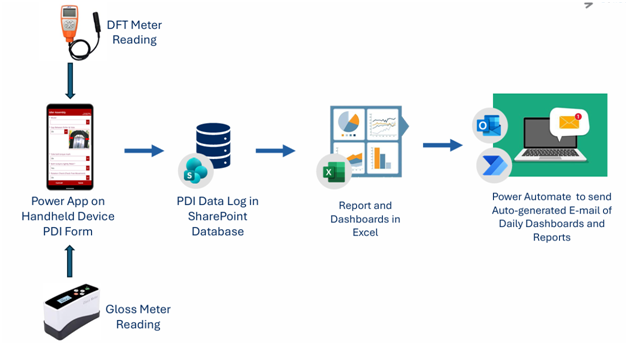
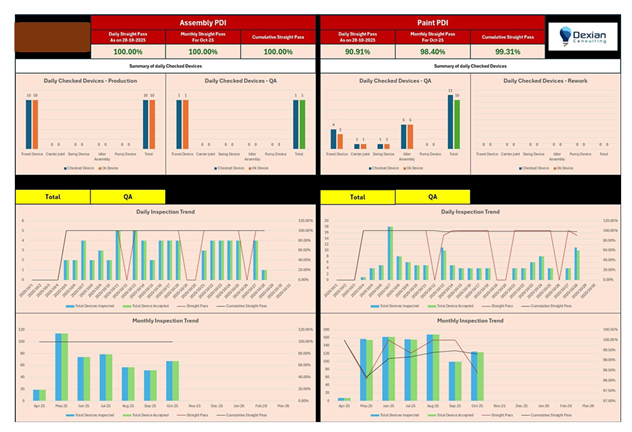
Disconnected spreadsheets and manual reporting limited visibility into logistics operations, fleet costs, and compliance.
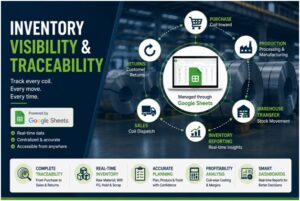
Limited inventory visibility and manual tracking made planning, traceability, and stock reconciliation inefficient.
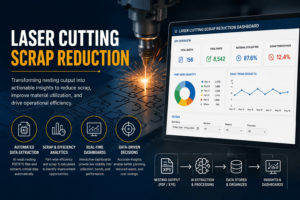
Manual analysis of nesting files limited visibility into material utilization, scrap trends and cutting efficiency.

Manual instrument tracking and calibration management led to poor traceability, missed calibrations and inefficient inventory control.

Manual shopfloor inspections resulted in data entry errors, poor traceability and limited visibility into product quality.
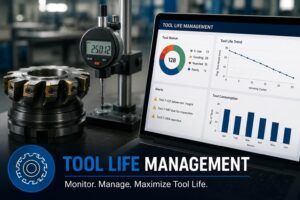
Manual tracking made it difficult to monitor tool life, predict replacements and control tooling costs.