Logistics Operations Management
Disconnected spreadsheets and manual reporting limited visibility into logistics operations, fleet costs, and compliance.
Insights: Case Studies
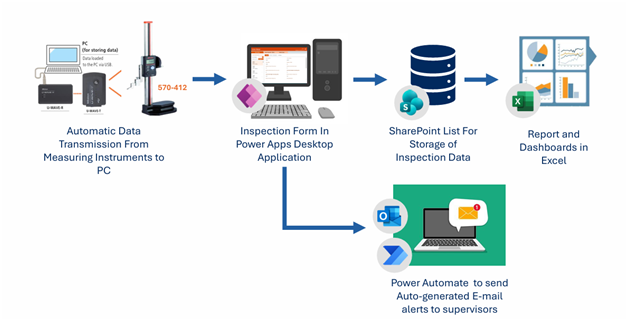
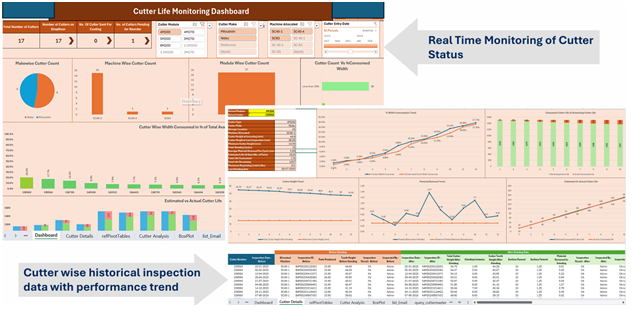
At an excavator manufacturing company based in West Bengal, gear shaper cutters were periodically inspected after every grinding cycle to ensure they remained within the permissible height limit for production. The inspection involved measuring critical parameters such as cutter height, runout and surface finish using instruments including a Dial Gauge, Height Gauge and Surface Roughness Tester. However, the entire process relied on manual measurements, paper-based records and Excel data entry, resulting in inconsistent data, poor traceability and limited visibility into tool life. This made it difficult to monitor cutter consumption, plan timely replacements and evaluate the effectiveness of the grinding process.

Disconnected spreadsheets and manual reporting limited visibility into logistics operations, fleet costs, and compliance.

Limited inventory visibility and manual tracking made planning, traceability, and stock reconciliation inefficient.
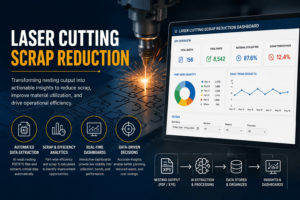
Manual analysis of nesting files limited visibility into material utilization, scrap trends and cutting efficiency.

Manual instrument tracking and calibration management led to poor traceability, missed calibrations and inefficient inventory control.

Manual shopfloor inspections resulted in data entry errors, poor traceability and limited visibility into product quality.
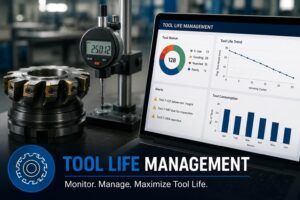
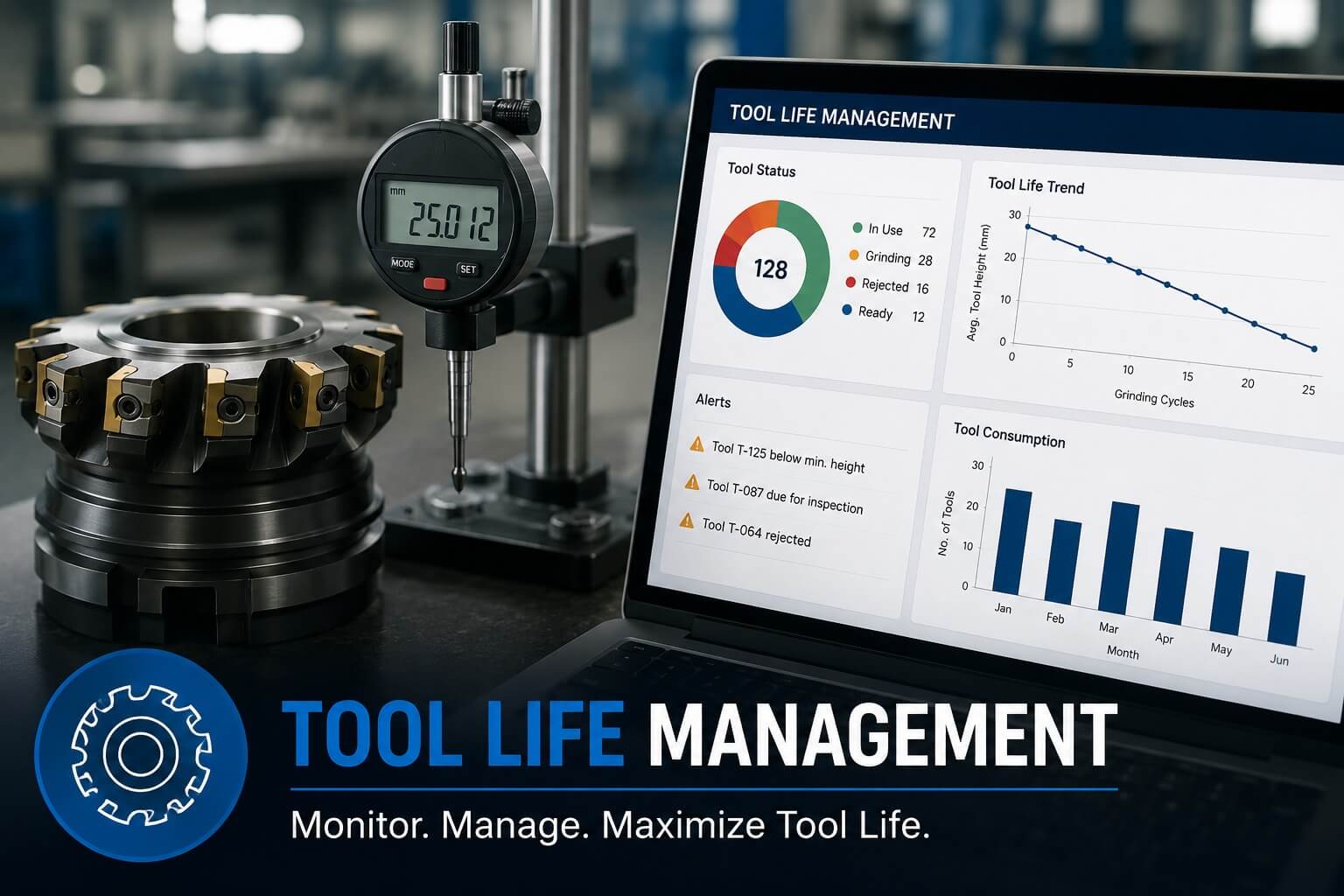
Manual tracking made it difficult to monitor tool life, predict replacements and control tooling costs.